

The 5 Best Cat Scratchers for Stress Relief and Exercise in 2025
The 5 Best Cat Scratchers for Stress Relief and Exercise in 2025
Introduction
Best Cat Scratchers for Happy, Healthy Pets This Holiday Season
Product Roundup:
- Best Overall: SmartyKat Sisal Angle Ramp – A sturdy, angled sisal ramp that matches natural stretching postures and offers stress-relieving resistance.
- Best Vertical Post: Pioneer Pet SmartCat Ultimate Scratching Post – Tall, stable, and wrapped in durable sisal for full-body extension.
- Best Horizontal Lounger: PetFusion Ultimate Cat Scratcher Lounge – High-density, dual-surface cardboard with ergonomic curves for lounging and scratching.
- Best Budget Pack: Amazon Basics Cat Scratching Pads (Dual-Sided) – Affordable, replaceable cardboard pads that deliver satisfying texture and value.
- Best Multi-Surface: 4CLAWS Wall-Mounted Scratcher – Space-saving aluminum base with replaceable cardboard panel for vertical and angled scratching.
Buying Guide: How to Choose Safe and Effective Cat Scratchers
- Materials: Look for natural sisal, jute, or high-density corrugated cardboard. Avoid loose fibers or coatings that flake easily.
- Stability and Size: Heavy bases and tall posts (30+ inches) support full-body stretches; loungers should be wide with non-slip bottoms.
- Angle and Orientation: Match your cat’s style—vertical posts for climbers and stretchers; horizontal/angled ramps for kneaders and seniors.
- Texture Variety: Offer both sisal and cardboard to reduce boredom and redirect furniture scratching.
- Replaceability: Choose models with refillable pads or reversible panels to extend lifespan.
- Safety: Smooth edges, secure hardware, and non-toxic adhesives keep paws safe.
- Engagement Aids: Catnip, silvervine, and wand-to-scratcher play help reinforce positive scratching habits.
Pros & Cons Summary
- SmartyKat Sisal Angle Ramp
- Pros: Angled design reduces joint strain; textured sisal eases anxious energy.
- Cons: Not ideal for cats needing extra-tall vertical stretch.
- Pioneer Pet SmartCat Ultimate Post
- Pros: Very stable; great for large cats and climbers.
- Cons: Requires floor space; pricier than cardboard options.
- PetFusion Ultimate Lounge
- Pros: Durable, reversible cardboard; doubles as a bed.
- Cons: Cardboard sheds with heavy use.
- Amazon Basics Dual-Sided Pads
- Pros: Budget-friendly; easy to place near “problem” furniture.
- Cons: Lighter weight can slide without a mat or tape.
- 4CLAWS Wall-Mounted Scratcher
- Pros: Space-saving; adjustable height/angle; replaceable panel.
- Cons: Requires wall installation; may not suit renters.
Frequently Asked Questions from Pet Parents
- How many scratchers do I need?
- One per cat plus one extra is a good rule. Offer at least one vertical and one horizontal option.
- Where should I place them?
- Near sleeping spots, entryways, windows, and next to furniture your cat targets.
- How do I keep my cat interested?
- Refresh with catnip or silvervine weekly, rotate locations, and introduce new textures.
- Will scratchers help with stress?
- Yes. The resistance and routine can soothe anxious energy during vet visits, guests, or thunderstorms.
- When should I replace a scratcher?
- When surfaces flatten, fray excessively, or lose traction.
Final Verdict & Pet Parent Tips
The best cat scratchers combine sturdy materials like sisal and high-density cardboard with orientations that match your cat’s stretching style. The SmartyKat Sisal Angle Ramp and dual-sided cardboard packs offer satisfying resistance that can diffuse stress and protect your furniture. Place scratchers where your cat sleeps and near “problem” areas, secure them for stability, and refresh with catnip weekly. Offering multiple textures and angles can transform daily routines, promoting healthy exercise, stress relief, and happier holiday vibes.
Main Points
Introduction
Best Cat Scratchers for Happy, Healthy Pets This Holiday Season
Product Roundup:
- Best Overall: Vertical sisal posts with perches for full-body stretching, muscle engagement, and stress-relieving scent marking
- Best Eco-Friendly Lounger: Cardboard loungers (e.g., SmartyKat 2-in-1) with curved surfaces for horizontal scratching and relaxation
- Best for Seniors/Mobility Support: Angled ramp scratchers that promote gentle shoulder and back exercise
- Best Budget Pick: Double-sided cardboard scratcher packs for extended durability and reduced replacement frequency
- Best Multi-Functional: Cat trees combining scratching posts, hideouts, and toys for all-in-one enrichment and stress relief
Buying Guide: How to Choose Safe and Effective Cat Scratchers
- Orientation fit: Match your cat’s preference—vertical stretchers, horizontal loungers, or angled ramps. Observe where they naturally scratch (door frames = vertical, rugs = horizontal).
- Material quality: Sisal rope or fabric for durability and satisfying claw catch; dense corrugated cardboard for budget-friendly texture; avoid loose fibers that fray excessively.
- Stability and size: Heavy bases and wall anchors prevent wobble. Ensure tall posts are at least as long as your cat’s full body when stretched.
- Enrichment features: Perches, hideaways, and attached toys encourage use and reduce stress through play and scent marking.
- Safety checks: Non-toxic glues and dyes, smooth edges, and secure hardware. Replace when surfaces become overly soft or shed pieces.
- Home placement: Position near sleeping areas, favorite windows, or spots your cat already targets. Offer multiple options in multi-cat homes.
- Sustainability: Look for recyclable cardboard cores and replaceable sleeves to cut waste and costs.
Pros & Cons Summary
– Vertical sisal posts with perches
Pros: Full-body stretch; durable; doubles as lookout to reduce anxiety
Cons: Require floor space; may need wall anchoring for jumpers
– Cardboard loungers
Pros: Eco-friendly; comfortable resting curve; great for horizontal scratchers
Cons: Wear faster; cardboard debris requires cleanup
– Angled ramp scratchers
Pros: Accessible for seniors; targets shoulders/back; space-efficient
Cons: Can slide if lightweight—look for non-slip bases
– Double-sided cardboard packs
Pros: Strong value; extended lifespan; easy to replace
Cons: Less sturdy than sisal; not ideal for aggressive vertical scratchers
– Multi-functional cat trees
Pros: All-in-one enrichment; multiple scratch textures; stress relief via play and perching
Cons: Higher cost; assembly and space needs
Frequently Asked Questions from Pet Parents
- How many scratchers do I need? One per cat plus one extra is a good rule, mixing orientations and materials.
- How do I get my cat to use a new scratcher? Place near preferred scratching spots, sprinkle catnip/silvervine, and reward use with treats or play.
- When should I replace a scratcher? When the surface compresses, sheds excessively, or no longer offers resistance.
- Sisal rope vs. sisal fabric—what’s better? Fabric offers a tighter, satisfying scratch and tends to last longer; rope is common and durable but can catch claws if frayed.
- Is cardboard safe? Yes, if non-toxic and dense. Expect some shreds; vacuum regularly.
- Where should I place vertical scratchers? Near entryways or furniture edges your cat targets, and by windows or sleeping spots.
Final Verdict & Pet Parent Tips
- For most households, a sturdy, tall sisal post with a perch plus a cardboard lounger covers both vertical stretch and horizontal scratch needs.
- Add an angled ramp for seniors or cats with joint sensitivity.
- Rotate or refresh surfaces (double-sided inserts, replaceable sleeves) to maintain interest.
- Make it inviting: use catnip, position strategically, and praise immediately when your cat scratches the approved spot.
CusieryMax Cat Ball Adventure Interactive Exercise Toy for Indoor Cats
Introduction
Best Interactive Cat Toys Picks for Happy, Healthy Pets This Holiday Season
Product Roundup:
– CusieryMax Cat Ball Adventure Interactive Exercise Toy for Indoor Cats: A magnetic, modular track toy that channels hunting instincts into safe, focused play. Assemble corrugated cardboard tunnels and curves; a colorful bell ball rolls securely along the track so it won’t disappear under furniture. CNC-cut edges protect paws, and the palm-sized fold-flat design stores easily between sessions. Pet parent tip: Rotate configurations weekly to keep your cat mentally engaged and prevent boredom.
Buying Guide: How to Choose Safe and Effective Interactive Cat Toys
- Engagement style: Look for toys that simulate stalking, chasing, and pouncing (tracks, wands, motion toys).
- Safety first: Smooth edges, non-toxic materials, secure components that won’t break off or trap claws.
- Adjustability: Modular or reconfigurable designs help prevent boredom and fit different spaces.
- Noise level: Consider bell or motor sounds if you live in apartments or have noise-sensitive pets.
- Durability: Match materials to your cat’s play style; heavy scratchers/chewers need sturdier builds than basic cardboard.
- Storage and footprint: Fold-flat or compact options are best for small homes.
- Maintenance: Check how easy it is to clean and reassemble; replaceable parts extend lifespan.
Pros & Cons Summary
Pros:
- Magnetic modular design enables endless layout changes for long-term interest and various room layouts
- Bell ball stays on track, reducing lost-toy retrieval under furniture
- Fold-flat storage; smooth CNC-cut edges are gentle on sensitive paws
Cons:
- Corrugated cardboard may not withstand aggressive chewers or destructive scratchers
- Requires owners to reconfigure to keep cats engaged
- Magnetic joints may separate during very vigorous play with heavy or highly energetic cats
Frequently Asked Questions from Pet Parents
– Will it work for a single indoor cat?
Yes. It’s designed to satisfy solitary cats’ chase-and-hunt instincts and reduce boredom.
– Is assembly difficult?
No. Pieces connect magnetically; expect a few minutes to build tunnels and curves.
– Will the ball come off the track?
It’s designed to stay secured during normal play, reducing late-night toy retrieval.
– Is it safe for sensitive paws?
Yes. CNC-cut edges are smooth to protect delicate paws.
– How do I keep my cat interested over time?
Rotate track configurations weekly and introduce short, daily play sessions.
Final Verdict & Pet Parent Tips
Verdict: A versatile, space-saving pick that converts pent-up energy into enriching play—great for reducing nighttime zoomies and boredom-related behaviors in indoor cats.
Tips:
- Start with short sessions (5–10 minutes) and praise or treat after play to build a routine.
- Refresh layouts weekly; add or remove segments to vary difficulty.
- Monitor wear on cardboard and replace pieces if they become soft or frayed, especially for heavy scratchers.
- Place the toy away from bedrooms at night if the bell sound is disruptive.
Coastal Pet Turbo Scratcher Cat Toy (1 Pack)
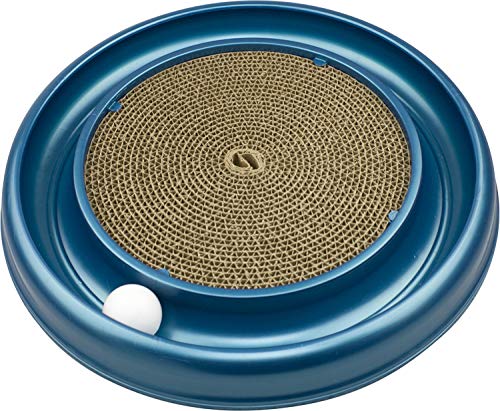
Coastal Pet Turbo Scratcher Cat Toy - Cardboard Cat Scratcher Pad with Cat Toy Ball Track and Catnip (1 Pack)
- Cat Toy Ball Track: The rounded race track with a ball encourages cat exercise and kitten play
- Practical Cat Toy: The no-slip bottom prevents this cat toy from moving around during play
- Catnip Cat Toy: Catnip is included to boost cat's energy during playtime with the cat toy ball
Pet Health Authority earns from qualifying purchases. Last updated February 23, 2026.
Best Cat Toy Picks for Happy, Healthy Pets This Holiday Season
- Product Roundup:
- Coastal Pet Turbo Scratcher Cat Toy (1 Pack): A 16-inch circular toy combining a cardboard scratch pad with a ball track to channel energy into healthy play. Features a no-slip bottom for stability, includes catnip for added interest, and uses replaceable pads to extend the toy’s lifespan. Ideal for indoor cats needing extra stimulation, especially in winter.
Buying Guide: How to Choose Safe and Effective Cat Toys
- Match your cat’s play style:
- Horizontal scratchers/toys (like Turbo Scratcher) suit cats who prefer floor-level scratching and swatting.
- Vertical scratchers or towers are better for cats that stretch tall while scratching.
- Prioritize safety:
- Look for stable bases and non-slip bottoms to prevent tipping.
- Ensure enclosed tracks don’t allow small parts to come loose.
- Choose non-toxic materials; supervise early play.
- Enrichment matters:
- Toys that combine movement (ball track) and texture (cardboard) keep interest longer.
- Catnip can motivate reluctant players; rotate toys to avoid boredom.
- Space and storage:
- Measure your area—16-inch diameter requires floor space.
- Opt for toys with replaceable parts to reduce waste and long-term cost.
- Durability and maintenance:
- Expect cardboard to wear; plan for periodic pad replacements.
- Wipe plastic surfaces clean; replace pads when frayed or soiled.
Pros & Cons Summary
- Pros:
- Dual-function design: scratch surface + engaging ball track for exercise and enrichment
- No-slip bottom keeps toy stable during vigorous play
- Replaceable scratch pad extends lifespan and lowers long-term cost
- Cons:
- 16-inch diameter needs noticeable floor space
- Cardboard pad requires periodic replacement
- May not appeal to cats that prefer vertical scratching posts
Frequently Asked Questions from Pet Parents
- Will my cat actually use it?
- Many cats are attracted to the ball movement and catnip. Placement near existing scratch zones increases success.
- How often do I replace the pad?
- Frequency varies by use; heavy scratchers may need a new pad every 1–3 months.
- Is it safe for kittens or seniors?
- Yes. The low profile and stable base suit most ages. Always supervise kittens initially.
- Can I buy replacement pads easily?
- Yes, the Turbo Scratcher uses standard circular cardboard refills sold separately.
- Will it slide on hardwood floors?
- The no-slip bottom helps it stay put, even during aggressive play.
Final Verdict & Pet Parent Tips
- Verdict: The Coastal Pet Turbo Scratcher is a smart, space-conscious way to combine scratching satisfaction with active play. It’s especially useful for indoor cats needing winter enrichment and for households aiming to protect furniture.
- Tips:
- Place it near your cat’s current scratch spot to build positive associations.
- Sprinkle a pinch of the included catnip on the pad to spark initial interest.
- Rotate with other toys weekly to keep engagement high.
- Replace the pad when grooves deepen or cardboard sheds excessively to maintain appeal.
Cat Scratcher Cardboard, 2 in 1 Oval Scratch Pad Bowl for Indoor Cats
Best Cat Scratcher Picks for Happy, Healthy Pets This Holiday Season
- Product Roundup:
- Cat Scratcher Cardboard, 2 in 1 Oval Scratch Pad Bowl for Indoor Cats: A dual-purpose oval scratcher that doubles as a cozy lounge. The concave shape supports natural stretching and spinal alignment, encouraging frequent use. Made from 100% recycled corrugated cardboard and bonded with non-toxic cornstarch glue. An enclosed bottom helps contain cardboard shreds for cleaner floors.
Buying Guide: How to Choose Safe and Effective Cat Scratchers
- Material safety: Look for non-toxic adhesives (like cornstarch glue) and recycled cardboard or natural sisal.
- Shape and ergonomics: Concave or curved designs support stretching and spine alignment; flat or incline boards suit different scratching preferences.
- Stability and mess control: Enclosed or tray-style bases help contain debris; ensure the scratcher doesn’t slide.
- Size and fit: Match dimensions to your cat’s size; larger breeds may need wider/longer surfaces.
- Durability and replacement: Cardboard wears down over time; choose refillable or replaceable cores if possible.
- Placement: Position near current scratch zones (like sofas) to redirect behavior effectively.
Pros & Cons Summary
- Pros:
- 2-in-1 design: scratcher + lounge with supportive concave shape
- Eco-friendly: 100% recycled cardboard, non-toxic cornstarch glue; safe for kittens to seniors
- Enclosed bottom helps contain debris and keep floors cleaner
- Cons:
- Cardboard will wear and require replacement over time
- At 16.9 x 12.9 in, may be small for larger breeds to lounge comfortably
- Spot-clean only; cannot be fully washed for deep cleaning
Frequently Asked Questions from Pet Parents
- Will my cat actually use it?
- Many cats prefer the concave shape for stretching and lounging. Place it where they already scratch and sprinkle a bit of catnip to encourage interest.
- Is it safe for kittens and seniors?
- Yes. It uses non-toxic cornstarch glue and recycled cardboard, and the supportive curve is gentle on joints.
- How long will it last?
- Usage varies by cat. Expect to rotate or replace after consistent daily scratching. Flip the insert (if reversible) to extend life.
- How do I keep the mess down?
- The enclosed bottom captures most shreds. Vacuum the surface occasionally and tap out debris over a trash bin.
Final Verdict & Pet Parent Tips
- Verdict: A smart, eco-friendly 2-in-1 scratcher-lounger that encourages healthy scratching and comfy lounging while keeping mess minimal. Best for small to medium cats and multi-cat homes seeking value and safety.
- Tips:
- Place near furniture your cat targets and reward use to build new habits.
- Refresh interest with catnip or silvervine.
- Rotate orientation or location weekly to keep it novel.
- For large breeds, consider pairing with a bigger scratcher to ensure comfortable lounging.
SmartyKat Sisal Angle Ramp Cat Scratcher for Indoor Cats
Introduction
Best Cat Scratcher Picks for Happy, Healthy Pets This Holiday Season
Product Roundup:
– SmartyKat Sisal Angle Ramp Cat Scratcher (15-inch): An angled, full-body stretch solution with a woven sisal surface, sturdy wooden frame, and included catnip to attract hesitant or anxious cats. Ideal for redirecting scratching away from furniture and promoting muscle engagement in the back and shoulders.
Buying Guide: How to Choose Safe and Effective Cat Scratchers
- Scratching orientation: Match your cat’s preference—angled ramps (like SmartyKat’s) encourage stretch and engagement; vertical posts suit cats who reach up; flat pads are great for floor scratchers.
- Materials: Sisal fabric or rope offers durability and satisfying texture. Cardboard is budget-friendly but wears faster. Avoid loose fibers that can fray excessively.
- Stability: Look for a solid base or frame so the scratcher won’t wobble or slide during vigorous use.
- Size and placement: Ensure enough length for a full-body stretch (around 15 inches or more for most adult cats). Place near nap spots or common “scratch zones.”
- Enrichment add-ons: Catnip or silvervine can help entice use, especially for anxious or new-to-scratching cats.
- Cleaning and care: Check whether the surface is replaceable or spot-cleanable to keep odors and debris in check.
Pros & Cons Summary
Pros:
- Angled ramp promotes full-body stretching to engage back and shoulder muscles
- Durable woven sisal surface and stable wooden frame withstand vigorous scratching
- Includes catnip to attract cats and redirect scratching from furniture; backed by a satisfaction guarantee
Cons:
- At about 1.4 lb and 15.25 inches long, it can take notable floor space in small rooms
- Sisal is spot-clean only, limiting deep-clean options with heavy use
- Single-angle design may not suit cats who prefer vertical posts or flat horizontal scratchers
Frequently Asked Questions from Pet Parents
– Will my cat actually use an angled scratcher?
Many cats enjoy the natural stretch an angle provides. If your cat prefers vertical scratching, place the ramp near a wall to mimic upright resistance, or pair it with a vertical post.
– How do I introduce it?
Sprinkle the included catnip on the sisal and place the ramp near your cat’s favorite nap spot—cats instinctively scratch after waking. Reward with praise or treats when they use it.
– How long will it last?
Longevity depends on scratching intensity. The woven sisal and wooden frame are built for durability; rotate the ramp’s position periodically to even out wear.
– How do I clean it?
Shake out debris and spot-clean the sisal with a damp cloth. Allow to dry fully before reuse.
Final Verdict & Pet Parent Tips
If you want a durable, space-efficient scratcher that promotes healthy stretching while protecting furniture, the SmartyKat Sisal Angle Ramp is a strong pick—especially for cats who enjoy an angled surface.
Pet parent tips:
- Place it where your cat sleeps or near areas they already scratch.
- Refresh interest with catnip weekly during the first month.
- If your cat prefers vertical scratching, pair this ramp with a tall post to cover all instincts.
Cat Scratching Board, Cardboard Cat Scratcher with Catnip (Pack of 2)
Best Cat Scratching Boards for Happy, Healthy Pets This Holiday Season
Product Roundup:
– TIMHAKA Double-Sided Cardboard Cat Scratcher with Catnip (Pack of 2): An affordable, eco-conscious option with a gentle curve that encourages stretching and lounging. Each 16.93-inch pad is double-sided for extended life and made from 100% recycled corrugated cardboard with non-toxic glue. Includes catnip to attract hesitant scratchers. Backed by 2,970+ reviews averaging 4.4 stars, with many pet parents noting reduced furniture damage.
Buying Guide: How to Choose Safe and Effective Cat Scratching Boards
- Material: Cardboard is budget-friendly and enticing; sisal offers durability; carpet can encourage scratching but may confuse cats about what furniture is okay.
- Safety: Look for non-toxic glues/finishes and smooth edges to prevent paw injuries.
- Design: Curved or inclined pads promote natural stretching; flat boards fit tight spaces; loungers double as rest spots.
- Stability: Heavier boards or those with non-slip bases stay put during vigorous scratching.
- Size & Longevity: Larger, double-sided boards last longer; consider multi-pack value.
- Engagement: Catnip or silvervine can help train hesitant scratchers.
- Placement: Put boards near sleeping areas, entryways, or current “problem” scratch zones.
Pros & Cons Summary
Pros:
- Double-sided design extends lifespan; two-pack offers strong value
- Eco-friendly build: 100% recycled cardboard with non-toxic glue
- Curved shape supports stretching and serves as a lounging spot
- Includes catnip to encourage use, even for reluctant scratchers
- Positive track record (4.4-star average from nearly 3,000 reviews)
Cons:
- Cardboard debris requires occasional cleanup
- Light 13.9-oz weight may slide on smooth floors without a mat
- Disposable by nature; won’t last as long as sisal posts
Frequently Asked Questions from Pet Parents
- Will this protect my furniture? Yes—most cats prefer textured cardboard, especially with catnip. Place the board near target furniture to redirect scratching.
- How long does it last? Usage varies by cat; double-sided design extends life. Expect periodic replacement compared to more durable sisal.
- Is it safe? Made with non-toxic glue and recycled cardboard; always supervise initial use and recycle when worn down.
- How do I stop it from sliding? Place on a rug, add a non-slip mat, or position against a wall for extra stability.
- What if my cat ignores it? Sprinkle the included catnip, play with a wand toy over the surface, and place it where your cat already scratches.
Final Verdict & Pet Parent Tips
- Verdict: The TIMHAKA double-sided cardboard scratcher is a great value for eco-conscious pet parents seeking reliable furniture protection and healthy scratching enrichment.
- Tips:
- Place near favorite nap spots—cats often scratch right after waking.
- Offer multiple scratch zones with different angles (flat + inclined).
- Refresh interest with catnip or silvervine every few days.
- Vacuum or sweep debris regularly and recycle worn pads.
Factors to Consider When Choosing Cat Scratchers for Stress Relief and Exercise
Introduction
Best Cat Scratcher Picks for Happy, Healthy Pets This Holiday Season
- Product Roundup:
- Best Overall: Heavy-base vertical sisal post with perch (durable, stable, great for full-body stretch)
- Best for Horizontal Scratchers: Low-profile corrugated cardboard board with replaceable inserts
- Best for Seniors/Arthritis: Incline wedge scratcher with gentle angle and soft sisal/jute wrap
- Best Multi-Functional: Cat tree with integrated scratching posts, hideouts, and toys
- Best for Texture Lovers: Dual-surface scratcher (sisal + carpet) to match varied preferences
- Best Space-Saver: Wall-mounted or door-hanging sisal panel for vertical scratchers
- Best Eco-Friendly: Recyclable, non-toxic cardboard scratch lounger with reversible panels
Buying Guide: How to Choose Safe and Effective Cat Scratchers
- Durability & Safety:
- Look for tightly woven sisal fabric or high-density corrugated cardboard; avoid loose threads and sharp staples.
- Verify non-toxic adhesives and finishes; check for safety certifications when available.
- Texture Preferences:
- Many cats prefer sisal fabric for satisfying fiber pull; others love corrugated cardboard or carpet.
- Start with what they already scratch at home to match feel and feedback.
- Size & Stability:
- Vertical posts should be 28–32 inches tall for a full stretch; heavy or wide bases prevent wobble.
- Horizontal boards should be long enough for a full body reach and have non-slip bottoms.
- Angle & Height Options:
- Offer vertical, horizontal, and incline choices to reduce boredom and meet joint needs.
- Seniors often favor horizontal/incline; athletic cats enjoy tall vertical climbs.
- Multi-Functional Features:
- Perches, tunnels, ramps, and toy attachments add enrichment and promote exercise.
- Replaceable cardboard inserts extend life and value.
- Placement Matters:
- Put scratchers where your cat already spends time: near sleeping spots, window perches, and “no-go” furniture targets.
- Training & Engagement:
- Use catnip/silvervine, wand play, and treats to lure first use; praise and reward scratching on the target.
- Cover or temporarily block off forbidden scratch zones while your cat builds the new habit.
Pros & Cons Summary
- Pros:
- Reduces stress through scent marking and muscle stretching
- Protects furniture and encourages healthy exercise
- Customizable options for age, mobility, and preferences
- Multi-feature designs increase engagement and value
- Cons:
- Poor stability or wrong texture leads to disuse
- Cheap materials wear quickly or shed debris
- Large towers can take space and require assembly
- Some cats need time and training to transition
Frequently Asked Questions from Pet Parents
- How many scratchers do I need?
- At least two types (e.g., one vertical, one horizontal) per cat; add more for multi-cat homes.
- Is sisal rope or sisal fabric better?
- Fabric typically lasts longer and offers smoother, more satisfying scratch; rope can unravel and catch claws.
- How tall should a vertical post be?
- Aim for 28–32 inches so most cats can fully stretch their back and shoulder muscles.
- Where should I place a scratcher?
- Near sleeping areas, favorite hangouts, and in front of current “problem” scratch spots.
- How do I encourage my cat to use it?
- Sprinkle catnip/silvervine, play over the surface, and reward immediately when they scratch.
- When should I replace it?
- When surfaces are crushed flat, frayed to unsafe threads, wobbly, or no longer enticing.
- Are cardboard scratchers safe?
- Yes if made with non-toxic glue; choose dense, reversible boards to reduce shedding and waste.
Final Verdict & Pet Parent Tips
- Pick a sturdy, safe scratcher that matches your cat’s preferred texture and angle, and place it exactly where they already like to scratch.
- Pet Parent Tip: Watch where your cat naturally scratches (carpet corners, sofa arms, door frames) to identify their preferred angle and texture before investing.
- For the best results, offer a mix: one tall, stable sisal fabric post plus a dense cardboard horizontal or incline option, and refresh worn surfaces promptly to keep scratching satisfying.
Material Durability and Safety
Introduction
Best Cat Scratcher Picks for Happy, Healthy Pets This Holiday Season
- Product Roundup:
- Heavy-duty corrugated cardboard scratchers with multi-layer, enclosed-bottom designs for stability and longevity.
- Natural sisal rope posts with smooth, rounded edges and non-toxic adhesives.
- Eco-friendly scratchers made from 100% recycled cardboard to reduce chemicals and support sustainability.
Buying Guide: How to Choose Safe and Effective Cat Scratchers
- Materials and durability:
- Choose heavy-duty corrugated cardboard or natural sisal rope; both withstand determined claws and provide satisfying resistance for stress relief.
- Multi-layer construction increases lifespan and surface area, helping indoor cats channel boredom and energy.
- Safety features:
- Prioritize smooth edges and non-toxic glues, especially helpful when cats scratch more during anxiety triggers like vet visits or thunderstorms.
- Look for enclosed or weighted bases/bottoms to prevent tipping during full-body stretches.
- Stability and design:
- Enclosed bottoms improve balance; vertical posts should have a wide base, horizontals should have anti-slip pads.
- Ensure the scratching surface is tall or long enough for a full stretch.
- Sustainability:
- Eco-friendly options made from 100% recycled cardboard are safer and reduce exposure to harmful chemicals.
Pros & Cons Summary
- Pros:
- Durable materials (heavy-duty cardboard, natural sisal) outlast cheaper alternatives.
- Non-toxic adhesives and smooth edges enhance safety.
- Multi-layer designs extend lifespan and provide more scratching area.
- Enclosed bottoms reduce tipping and increase confidence during vigorous use.
- Eco-friendly recycled options support sustainable households.
- Cons:
- Higher upfront cost than budget models.
- Multi-layer cardboard can shed paper flakes over time.
- Sisal posts may require occasional rewrapping or replacement when frayed.
Frequently Asked Questions from Pet Parents
– Q: Which material lasts longer—cardboard or sisal?
A: Both can be durable; heavy-duty cardboard with multi-layers resists wear well, while quality natural sisal posts often last longer under heavy use.
– Q: Are recycled cardboard scratchers safe?
A: Yes—look for products labeled 100% recycled with non-toxic glues and inks.
– Q: How do I prevent tipping?
A: Choose designs with enclosed or weighted bottoms, wide bases, or anti-slip pads; place near a wall for extra stability.
– Q: When should I replace a scratcher?
A: Replace when surfaces are significantly worn or frayed to avoid claw snags and stress during calming routines.
Final Verdict & Pet Parent Tips
- Choose heavy-duty corrugated cardboard or natural sisal with smooth edges, non-toxic adhesives, and stable, enclosed bottoms. Multi-layer designs and recycled materials boost longevity and safety.
- Pet parent tip: Rotate scratchers and replace heavily frayed surfaces promptly to keep sessions calming and snag-free, especially around stress triggers like vet visits or thunderstorms.
Surface Texture Preferences
Introduction
Best Surface Texture Preferences Picks for Happy, Healthy Pets This Holiday Season
- Product Roundup:
- Corrugated cardboard scratchers with varied grooves for satisfying resistance and nail wear
- Sisal fabric or sisal rope posts for durable, high-traction scratching
- Woven fiber and carpet-style scratchers for mixed textures and grip
- Multi-texture scratchers combining smooth edges, rough surfaces, and raised patterns to maintain interest
- Curved or angled scratchers to support full-body stretching and shoulder-back engagement
- Replaceable-pad systems to keep friction fresh and extend product life
Buying Guide: How to Choose Safe and Effective Surface Texture Preferences
- Prioritize texture variety: Corrugated cardboard with different groove depths offers resistance that supports healthy nail shedding and stress relief.
- Choose durable fibers: Sisal (fabric or rope) and woven fibers provide a reliable, high-traction surface that redirects scratching away from furniture.
- Look for multi-texture designs: Combining rough, smooth, and raised textures sustains engagement and encourages longer scratching sessions.
- Consider ergonomics: Curved or angled scratchers promote full-body stretching, help engage back and shoulder muscles, and may reduce tension.
- Plan for replacements: Opt for models with replaceable pads or panels so you can refresh the surface as it wears to maintain effective friction.
- Safety check: Ensure materials are sturdy, non-toxic, and securely attached to prevent fraying hazards or tipping.
Pros & Cons Summary
- Pros:
- Textured cardboard and sisal deliver satisfying resistance for nail maintenance and genuine stress relief
- Multi-texture and ergonomic designs increase engagement and exercise duration
- Curved/angled options can improve mobility and reduce muscle tension
- Replaceable pads keep the experience consistent and cost-effective over time
- Cons:
- Cardboard wears quickly and creates debris if not replaced regularly
- Some cats may dislike certain fibers (e.g., carpet) or textures
- Poorly secured scratchers can wobble, discouraging use
- Low-quality materials may fray or pose ingestion risks
Frequently Asked Questions from Pet Parents
– Which texture do most cats prefer?
Many cats gravitate toward corrugated cardboard and sisal because they offer reliable resistance and traction.
– How often should I replace scratching surfaces?
Replace when grooves flatten, layers peel excessively, or engagement drops—fresh texture restores friction and interest.
– Is angled better than flat?
It depends on your cat’s stretching style. Angled and curved designs support full-body stretch and shoulder engagement; some cats still prefer flat boards.
– Can multi-texture scratchers reduce furniture damage?
Yes. Offering a variety of textures provides a dedicated outlet that competes with sofas and rugs.
– Are rope and fabric sisal different?
Rope is coarser and very durable; fabric sisal offers a flatter, grippy surface. Cats may prefer one over the other—observe and adjust.
Final Verdict & Pet Parent Tips
A mix of corrugated cardboard, sisal, and multi-texture scratchers—especially with curved or angled options—best satisfies natural scratching needs, supports nail health, and relieves stress.
Pet parent tip: Replace worn pads promptly to maintain friction and interest, and secure scratchers to prevent wobble. Place them near favorite rest spots and furniture edges to redirect scratching effectively.
Scratcher Size and Stability
Introduction
Best Cat Scratcher Picks for Happy, Healthy Pets This Holiday Season
- Product Roundup:
- Best for Large Cats: 28–32 inch vertical post with a wide, weighted base to support full-body stretches.
- Best for Senior Cats: Low-profile, extra-stable ramp or wedge with reinforced edges for secure footing.
- Best for Anxious Scratchers: Heavy, multi-sided board that won’t tip during vigorous sessions.
- Best for Enrichment: Curved or multi-angled scratcher to vary muscle engagement and keep interest high.
- Best Budget Option: Sturdy cardboard lounger with a broad footprint and anti-slip pads.
Buying Guide: How to Choose Safe and Effective Cat Scratchers
- Size and Stretch: Choose a scratcher at least as long as your cat stretched nose-to-tail—typically 28–32 inches for adults—so they can fully elongate their spine and shoulders for true physical relief.
- Stability First: Look for wide bases, weighted cores, or reinforced edges to prevent tipping, crucial for anxious cats who dig in hard and seniors who need steady support.
- Design and Angles: Multi-sided or curved designs increase surface area and offer varied angles, keeping sessions engaging and helping balance muscle use.
- Materials and Texture: Choose durable, satisfying textures (sisal, corrugate, wood) and replaceable inserts to maintain traction and value.
- Safety Checks: Smooth edges, non-toxic adhesives, and anti-slip feet reduce injury risk and protect floors.
Pros & Cons Summary
- Pros:
- Full-length scratchers (28–32 inches) promote healthy spine and shoulder extension.
- Stable, wide-based designs build cat confidence and prevent tipping.
- Curved/multi-angle options enhance engagement and balanced muscle use.
- Cons:
- Taller posts need more floor space and may cost more.
- Lightweight cardboard models can slide or rock without anti-slip pads.
- Some multi-piece designs require assembly and periodic tightening.
Frequently Asked Questions from Pet Parents
– How do I test stability before my cat uses it?
Press down firmly and mimic a strong scratching motion—if it rocks or shifts, your cat won’t trust it.
– Do kittens need the same size as adults?
Kittens can start smaller, but investing in a 28–32 inch scratcher helps them grow into a healthy full stretch.
– Vertical or horizontal—what’s better?
Follow your cat’s preference; offering both angles can reduce furniture scratching and improve muscle balance.
– How often should I replace a scratcher?
Replace when the surface becomes smooth, sheds excessively, or the base loosens; many cardboard models have reversible sides to extend life.
Final Verdict & Pet Parent Tips
- Prioritize a scratcher long enough for a full-body stretch and heavy enough to stay put. Multi-angled designs keep sessions fun and therapeutic.
- Pet parent tip: Test stability by pressing down firmly—if it rocks, your cat won’t trust it. Add anti-slip pads or position against a wall for extra security.
Angle and Height Options
Introduction
Best Angle and Height Options Picks for Happy, Healthy Pets This Holiday Season
- Product Roundup:
- Adjustable angled ramp scratcher: Supports full-body stretches and back/shoulder engagement.
- Tall vertical tower scratcher: Satisfies climbing instincts and offers stress-relief during storms or recovery days.
- Curved/elevated scratcher lounge: Adds variety and mental stimulation while doubling as a rest spot.
- Multi-height modular scratcher set: Creates diverse activity zones with platforms for exploration.
- Kitten-to-senior adjustable post: Height adapts as flexibility and needs change over time.
Buying Guide: How to Choose Safe and Effective Angle and Height Options
- Angle variety: Look for ramps and wedges that offer multiple incline settings to activate different muscle groups.
- Height range: Choose posts tall enough for a full vertical stretch (at least your cat’s nose-to-tail length).
- Adjustability: Opt for products with changeable height/angle to match kitten growth or senior mobility.
- Stability and base width: Ensure a wide, non-slip base to prevent wobble and increase confidence.
- Surface textures: Mix corrugated cardboard, sisal, and carpet to reduce boredom and target different scratching preferences.
- Footprint and placement: Position vertical options near sleeping spots and horizontal/angled ones along traffic paths.
- Modularity: Multi-height setups with platforms create engaging activity zones and prolong interest.
- Noise and stress: Choose quieter materials and stable builds for anxious cats, especially during thunderstorms or post-vet recovery.
Pros & Cons Summary
- Pros:
- Encourages healthy stretching and muscle engagement.
- Supports natural climbing and territory-marking instincts.
- Adjustable designs evolve with your cat’s life stage and flexibility.
- Curved and elevated surfaces provide mental stimulation and variety.
- Multi-height systems create enriched environments and reduce boredom.
- Cons:
- Taller or modular units require more space.
- Poorly stabilized scratchers can wobble and deter use.
- Some adjustable mechanisms add cost and weight.
- Single-texture surfaces may lead to faster boredom if not rotated.
Frequently Asked Questions from Pet Parents
– Why does my cat ignore the scratcher some days?
Variation in angle, height, and texture can reignite interest; rotating setups mimics environmental novelty.
– How tall should a vertical scratcher be?
At least as long as your cat from nose to base of tail so they can fully extend.
– Are angled ramps really necessary?
Yes—inclines encourage different muscle groups, turning scratching into a mini workout.
– What if my senior cat avoids tall posts?
Lower the height and introduce gentle angles; ensure exceptional stability and softer textures.
– How often should I change configurations?
Weekly rotations maintain engagement and support balanced muscle use.
Final Verdict & Pet Parent Tips
Angle and height options are key to consistent scratching, healthy stretching, and stress relief. Combine an adjustable angled ramp, a tall vertical tower, and a curved/elevated lounge to cover diverse needs. Prioritize stability, multiple textures, and modularity to keep your cat engaged from kittenhood through their golden years.
Pet parent tip: Rotate scratcher angles weekly to keep your cat engaged and exercising different muscle groups. Place vertical scratchers near naps for post-sleep stretches and set angled ones along common pathways for frequent use.
Multi-Functional Design Features
Introduction
Best Cat Scratcher Picks for Happy, Healthy Pets This Holiday Season
- Product Roundup:
- Curved lounge scratchers with corrugated cardboard for stretch + rest
- Vertical panel scratchers with built-in ball tracks for active play
- Modular, magnetic scratcher systems for easy reconfiguration
- Foldable scratchers for space-saving setups and travel
- Catnip-infused scratchers to extend engagement and redirect furniture scratching
- Dual-purpose scratcher-lounger combos for anxious or senior cats
Buying Guide: How to Choose Safe and Effective Cat Scratchers
- Height and angle: Ensure options for full-body stretch (tall vertical) and shoulder/neck relief (angled or curved).
- Multi-function features: Look for lounging curves, ball tracks, or puzzle elements to support mental and physical enrichment.
- Materials: Corrugated cardboard for satisfying shred, sisal for durability, and stable bases to prevent tipping.
- Modularity: Magnetic or foldable designs allow periodic reconfiguration to prevent boredom, especially during long indoor seasons.
- Engagement aids: Catnip-infused or textured surfaces can lengthen play sessions and help redirect destructive scratching.
- Fit for temperament: Choose dual-purpose units for anxious cats who benefit from both activity and cozy rest spots.
- Safety: Check for non-toxic adhesives, smooth edges, and sturdy construction.
Pros & Cons Summary
- Pros:
- Integrated features promote stretching, spine alignment, and mental enrichment
- Modular/foldable designs keep environments fresh and engaging
- Catnip textures encourage appropriate scratching and longer play
- Dual-purpose units support both stimulation and rest
- Cons:
- Multi-feature units can be bulkier and pricier
- Cardboard surfaces wear faster and may shed
- Magnetic modules require proper alignment and supervision with heavy use
- Some cats may ignore catnip or prefer a single scratching style
Frequently Asked Questions from Pet Parents
- Which scratcher style is best for my cat?
- Offer a mix: vertical for full stretches, horizontal/curved for lounging and shoulder comfort. Observe what your cat uses most.
- How often should I rotate configurations?
- Monthly is ideal to maintain novelty, especially for senior indoor cats.
- How do I prevent furniture scratching?
- Place scratchers near preferred furniture targets, use catnip textures, and reward use. Cover or block furniture during retraining.
- Are modular/magnetic systems safe?
- Yes, when well-constructed. Ensure secure connections and a stable base; supervise initial use.
- When should I replace a scratcher?
- Replace when surfaces are flattened, unstable, or shedding excessively.
Final Verdict & Pet Parent Tips
Multi-functional scratchers that combine lounging curves, vertical panels, and enrichment features offer the best balance of physical health, mental engagement, and furniture protection. Choose sturdy, non-toxic materials, and rotate modular layouts monthly to keep curiosity high. Pet parent tip: Place new configurations where your cat naturally rests or plays, and sprinkle a touch of catnip to encourage immediate exploration.
Interactive Play Elements
Introduction
Interactive Play Elements: Best Picks for Happy, Healthy Pets This Holiday Season
Product Roundup: Interactive Play Elements
- Magnetic ball-track scratchers that create unpredictable motion and keep cats chasing
- Scratching posts with rotating feather attachments to trigger prey drive
- Dangling toy modules with bell balls for auditory stimulation and engagement
- Catnip-infused pouches or inserts to heighten arousal and encourage vigorous play
- Modular, track-based scratchers that reconfigure into tunnels, circles, or figure-eights
Buying Guide: How to Choose Safe and Effective Interactive Play Elements
- Prioritize stability and safety: Choose weighted bases and secure attachments to prevent tipping or detachment during intense play.
- Sensory variety: Mix movement (tracks, spinners), sound (bells), and scent (catnip/silvervine) to keep curiosity high.
- Adjustable difficulty: Opt for multi-mode or reconfigurable designs to vary challenge and prevent boredom.
- Materials matter: Look for durable corrugate/cardboard cores and non-toxic plastics; avoid small parts that could be swallowed.
- Ease of maintenance: Removable, washable toy parts and replaceable scratch pads extend product life and hygiene.
- Space and layout: Select shapes that fit your home—compact circles for small spaces, tunnel layouts for active cats.
- Age and temperament fit: High-energy or anxious cats benefit from faster tracks and rotating feathers; shy cats may prefer quieter, slower elements.
Pros & Cons Summary
- Pros:
- Extends playtime from minutes to hours with unpredictable motion and varied stimuli
- Provides mental stimulation and physical exercise, helping reduce anxiety and restlessness
- Reconfigurable layouts maintain novelty and prevent boredom
- Encourages healthy scratching behavior, protecting furniture
- Cons:
- Some cats may habituate; requires rotation to sustain interest
- Small detachable parts can pose a hazard if not supervised
- Noise from bells/tracks may not suit quiet households
- Higher-quality, modular systems can be more expensive
Frequently Asked Questions from Pet Parents
- Do these toys really help anxious cats?
- Yes. Track-based and prey-mimicking elements channel energy into play, promoting self-soothing and reducing stress.
- How often should I rotate the attachments?
- Weekly is ideal to maintain novelty and engagement.
- Are bell balls safe?
- Choose securely enclosed bells sized too large to swallow; supervise initial sessions.
- What if my cat loses interest?
- Reconfigure the track, swap in a new scent (catnip or silvervine), or shorten sessions to build anticipation.
- Can kittens use these?
- Yes—opt for stable bases, larger parts, and gentle motion settings for safety.
Final Verdict & Pet Parent Tips
Interactive play elements turn ordinary scratchers into activity centers that satisfy your cat’s hunting instincts while providing exercise and stress relief—especially valuable during winter when outdoor time is limited. Choose stable, modular designs with varied sensory cues, and rotate attachments weekly to sustain curiosity and longer play sessions. Pet parent tip: Store unused toys in a sealed bag with catnip or silvervine to refresh scent before reintroducing.
Space and Storage Requirements
Introduction
Best Cat Scratcher Picks for Happy, Healthy Pets This Holiday Season
- Product Roundup:
- Foldable cardboard scratcher with reversible pads for small spaces
- Wall-mounted sisal scratch panel to free up floor area
- Slim-profile scratching ramp that slides under sofas
- Modular, disassemblable scratcher-lounge combo with replaceable inserts
- Narrow vertical post with a weighted base for tight corners
- Doorway-hanging scratcher for studio apartments
- Collapsible scratcher with storage pouch for holiday hosting
Buying Guide: How to Choose Safe and Effective Cat Scratchers
- Measure your space: Note floor area, wall length, and doorway clearance to ensure the scratcher fits and can be delivered/assembled without hassle.
- Prioritize compact, stowable designs: Fold-flat, wall-mounted, or under-sofa profiles keep pathways clear for nighttime trips and morning routines.
- Go multifunctional: Scratchers that double as lounges or play stations maximize limited square footage.
- Choose replaceable surfaces: Refillable cardboard pads or replaceable sisal panels extend lifespan without adding bulky extras.
- Mind stability and safety: Weighted bases, anti-slip feet, and secure wall hardware prevent tipping and wobble.
- Match texture to your cat: Cardboard for shredders, sisal for durable scratchers, carpet for cushioned traction.
- Consider noise and mess: Low-shred designs and catch trays reduce cardboard confetti in small homes.
- Portability matters: Lightweight builds make it easy to relocate for cleaning or to make room for guests and decorations.
- Materials and sustainability: Look for recycled cardboard, natural sisal, and low-VOC finishes.
Pros & Cons Summary
- Pros:
- Space-saving options keep walkways clear
- Multifunctional designs reduce the need for multiple pet items
- Replaceable surfaces lower long-term costs and waste
- Lightweight and foldable models are easy to store during holidays
- Cons:
- Ultra-compact designs may offer less vertical stretch
- Some wall-mounted units require drilling
- Cardboard models can shed and need more frequent replacement
- Very light scratchers may shift without anti-slip features
Frequently Asked Questions from Pet Parents
- Will a foldable scratcher be sturdy enough? Quality foldable models with reinforced hinges and non-slip bases can be very stable; check weight ratings and reviews.
- How do I stop cardboard mess in a small apartment? Choose dense, layered cardboard with debris catch trays and vacuum regularly; consider sisal if mess is a concern.
- Can I use a wall-mounted scratcher in a rental? Many allow removable adhesive mounts; verify your wall type and use landlord-friendly hardware.
- What size should I get for a large cat? Ensure at least 18–24 inches of scratching height (or a long ramp) and a stable base; modular units can expand vertically.
- Are replaceable pads universal? Not always—confirm pad dimensions and compatibility with your chosen frame.
Final Verdict & Pet Parent Tips
- Opt for fold-flat, wall-mounted, or slim-profile scratchers to save space without sacrificing your cat’s needs.
- Measure twice—floor area and doorways—so your new setup fits through halls and into tight corners.
- Pick multifunctional designs with replaceable surfaces to extend lifespan and reduce clutter.
- Pet parent tip: Foldable scratchers are perfect during holidays when you need extra space for guests and decorations.
Catnip and Attractant Inclusion
Introduction
Best Cardboard Scratcher Picks for Happy, Healthy Pets This Holiday Season
- Product Roundup:
- Look for cardboard scratchers that include high-quality, organic catnip to boost initial interest.
- Consider options that also offer alternative attractants like silvervine or valerian root for cats that don’t respond to catnip.
- Choose designs that fit your space and your cat’s style: loungers, ramps, vertical posts, or reversible pads to extend lifespan.
Buying Guide: How to Choose Safe and Effective Cardboard Scratchers
- Attractants: Around 70% of cats respond to catnip; if yours doesn’t, try silvervine or valerian root.
- Material Quality: Dense, layered corrugate lasts longer and sheds less; reversible boards double the use.
- Stability and Size: Ensure the scratcher is sturdy and long enough for a full-body stretch.
- Safety: Avoid sharp edges, loose staples, or strong chemical odors. Prefer non-toxic adhesives and dyes.
- Stress Support: Attractant-infused scratchers can help during holiday chaos or post-vet recovery by encouraging positive engagement.
Pros & Cons Summary
- Pros:
- Catnip can quickly increase interest and redirect scratching from furniture.
- Many scratchers include dried catnip for easy setup and positive first impressions.
- Alternatives like silvervine or valerian can work for non-responders.
- Cons:
- Not all cats react to catnip; about 30% may show little or no interest.
- Dried catnip loses potency over time if not stored or refreshed properly.
- Lower-quality cardboard sheds more and wears out quickly.
Frequently Asked Questions from Pet Parents
- Does catnip work for all cats?
- No. Roughly 70% respond strongly. Kittens and some seniors may be less responsive.
- What if my cat ignores catnip?
- Try silvervine or valerian root attractants; many non-responders to catnip enjoy these.
- How often should I refresh the catnip?
- About once a month, or sooner if interest wanes.
- How should I store extra catnip?
- In an airtight container in a cool, dark place to preserve potency.
Final Verdict & Pet Parent Tips
Catnip and alternative attractants can make a cardboard scratcher irresistible, especially during stressful periods like the holidays. If your cat isn’t a catnip responder, explore silvervine or valerian options. Pet parent tip: Refresh dried catnip monthly to maintain appeal, and store unused catnip in airtight containers to keep it potent.
Frequently Asked Questions
How Often Should I Replace My Cat’s Scratching Post or Pad?
Introduction
Best Scratching Post and Pad Picks for Happy, Healthy Pets This Holiday Season
- Product Roundup:
- Best Overall: Durable sisal post with sturdy base for enthusiastic scratchers
- Best Budget: Reversible cardboard scratcher pad with catnip
- Best for Vertical Scratchers: Tall sisal-wrapped condo post
- Best for Horizontal Scratchers: Low-profile corrugated board
- Best Multi-Cat: Heavy-duty post with replaceable sleeves
- Best Eco-Friendly: Recyclable corrugated pad with refill inserts
- Best for Kittens: Short, stable post with soft fabric topper
Buying Guide: How to Choose Safe and Effective Scratching Posts and Pads
- Materials: Sisal fabric or rope and dense corrugated cardboard wear well and feel satisfying to most cats.
- Stability: A wide, heavy base prevents wobble; instability can deter use and cause accidents.
- Size and Orientation: Tall posts (at least 30 inches) for full-body stretches; horizontal pads for cats that prefer floor scratching.
- Replaceable Parts: Look for posts with replaceable sleeves or pads to extend lifespan and reduce waste.
- Safety: Avoid loose staples, sharp edges, or shedding fibers; ensure non-toxic glues and finishes.
- Placement: Put scratchers near sleep spots, windows, and areas where your cat already attempts to scratch.
- Enrichment: Add catnip, silvervine, or wand play to encourage use, especially during transitions.
Pros & Cons Summary
- Pros:
- Promotes healthy claws and full-body stretching
- Protects furniture by redirecting natural scratching behavior
- Options with replaceable parts save money and reduce waste
- Cons:
- Cheaper cardboard pads may wear out quickly with heavy use
- Wobbly or short posts discourage use and may need replacing sooner
- Some materials shed fibers that require more cleanup
Frequently Asked Questions from Pet Parents
- How often should I replace a scratching post or pad?
- Every 6–12 months, depending on usage intensity. Replace sooner if you see frayed material, loose fibers, wobble, or if your cat starts ignoring it.
- What signs show it’s time for a replacement?
- Matting or bald spots on sisal or cardboard, deep grooves, leaning or unstable bases, sharp edges, or fibers pulling out.
- Can I refresh instead of replace?
- Yes: rotate the post, tighten hardware, flip reversible pads, replace sleeves, add a fresh pad insert, or refresh interest with catnip/silvervine.
- Do multiple cats change replacement timing?
- Yes. Multi-cat households typically need replacements sooner or benefit from heavier-duty options with replaceable components.
Final Verdict & Pet Parent Tips
– Plan to replace scratching posts or pads every 6–12 months, sooner with heavy use or clear wear. Choose sturdy, tall, and safe designs with replaceable elements to extend life. Place scratchers where your cat naturally scratches, and refresh interest with play and attractants. Rotate or flip pads regularly to maximize longevity and keep your cat engaged.
Can Cat Scratchers Help Reduce Furniture Damage in My Home?
Introduction
Yes, cat scratchers markedly reduce furniture damage by redirecting your cat’s natural scratching instinct to appropriate surfaces. When you provide appealing alternatives and place them strategically near furniture, your cat will choose scratchers over your couch.
Best Cat Scratchers Picks for Happy, Healthy Pets This Holiday Season
- Product Roundup:
- Vertical sisal post scratcher: sturdy base, great for full-body stretches
- Horizontal cardboard lounger scratcher: budget-friendly and doubles as a nap spot
- Incline cardboard ramp scratcher: enticing angle and replaceable inserts
- Wall-mounted sisal panel: saves floor space and protects specific areas
- Cat tree with integrated scratch posts: combines climbing, perching, and scratching
- Scratch mat/rug (sisal or seagrass): blends with decor and protects high-traffic zones
Buying Guide: How to Choose Safe and Effective Cat Scratchers
- Materials: Prefer natural sisal rope/fabric, corrugated cardboard, or seagrass; avoid loose fibers or chemical odors.
- Stability: A wobble-free base encourages use; heavy or anchored designs prevent tipping.
- Orientation variety: Offer vertical, horizontal, and angled options to match your cat’s preference.
- Size and height: Tall enough for a full stretch (at least as long as your cat nose-to-tail).
- Texture and feel: Rough enough to shed claw sheaths but not so sharp it injures paws.
- Placement: Put scratchers near sleeping spots, entryways, and in front of “target” furniture.
- Replaceability: Look for replaceable cardboard inserts to reduce waste and cost.
- Safety: No sharp staples, exposed nails, or unstable wall mounts; use non-toxic adhesives.
- Enrichment add-ons: Integrated toys, catnip/silvervine, or perch platforms increase appeal.
- Aesthetics and cleaning: Removable covers or easy-to-vacuum surfaces help maintain hygiene.
Pros & Cons Summary
- Pros:
- Protects furniture by redirecting natural scratching behavior
- Supports claw health, stretching, and stress relief
- Affordable options with replaceable inserts
- Can be integrated into cat trees for multi-function enrichment
- Cons:
- Some cats are picky about texture or orientation
- Cardboard options shed and require frequent replacement
- Flimsy or unstable posts may be ignored
- Requires strategic placement and training for best results
Frequently Asked Questions from Pet Parents
- How many scratchers do I need?
- One per cat plus one extra is a good rule; mix orientations and locations.
- What if my cat still scratches the couch?
- Place a scratcher directly next to the problem spot, cover the couch area with a temporary deterrent (double-sided tape or furniture protectors), and reward every use of the scratcher.
- Do catnip or silvervine help?
- Often yes; rub a small amount on the scratcher initially. Some cats respond better to silvervine.
- How long do scratchers last?
- Cardboard inserts may last 1–3 months with regular use; sisal posts can last 6–24 months depending on build quality and usage.
- Are wall-mounted scratchers safe?
- Yes, if anchored into studs or with rated hardware; ensure edges are smooth and height matches your cat’s full stretch.
Final Verdict & Pet Parent Tips
Cat scratchers are one of the most effective, low-cost ways to protect your furniture while supporting your cat’s health and happiness. Offer multiple sturdy scratchers with different orientations, place them where your cat naturally spends time, and reinforce use with praise, treats, and occasional catnip. Rotate or refresh worn surfaces, and combine with gentle deterrents on no-scratch areas to create lasting, furniture-friendly habits.
What Signs Indicate My Cat Is Stressed and Needs Scratching Outlets?
Introduction
Cats can show stress in subtle and obvious ways. Recognizing the signs early helps you provide healthy outlets—like appropriate scratching options—to reduce anxiety and protect your furniture.
Best Scratching Solutions Picks for Happy, Healthy Pets This Holiday Season
- Product Roundup:
- Sturdy vertical scratching posts with sisal rope
- Horizontal cardboard scratchers for floor-loving cats
- Cat trees with multiple scratching surfaces and perches
- Wall-mounted scratch panels for small spaces
- Scratch pads infused with catnip or silvervine to entice use
- Durable scratching mats for doorway or sofa-edge protection
Buying Guide: How to Choose Safe and Effective Scratching Solutions
- Stability and height: Choose a post tall enough for a full-body stretch and heavy enough not to wobble.
- Texture variety: Offer sisal, corrugated cardboard, and carpet to match your cat’s preference.
- Placement: Put scratchers near nap spots, windows, and areas your cat already targets.
- Safety: Avoid loose staples or frayed materials; ensure secure mounting.
- Engagement: Look for options with catnip/silvervine or toys to encourage use.
- Quantity: Provide multiple scratch stations in multi-cat homes.
Pros & Cons Summary
- Pros:
- Reduces stress by allowing natural marking and stretching
- Protects furniture and redirects destructive scratching
- Encourages exercise and confidence
- Cons:
- Some cats are picky about texture or orientation
- Low-quality or unstable posts can deter use
- May require trial and error to find the right fit
Frequently Asked Questions from Pet Parents
- What signs indicate my cat is stressed and needs scratching outlets?
- Excessive grooming or overgrooming patches
- Increased hiding or avoidance
- Sudden aggression or irritability
- Frantic or frequent furniture scratching
- Increased vocalization, restlessness, or pacing
- Dilated pupils, tense body language, tail flicking
- Changes in eating, litter habits, or sleep patterns
- How can scratching help?
- It relieves tension, allows scent marking, stretches muscles, and provides a sense of control.
- What if my cat ignores the new scratcher?
- Try different textures/orientations, place it where they already scratch, and use catnip or wand toys to lure them.
- When should I talk to a vet?
- If stress signs persist, worsen, or you notice bald spots, appetite changes, or litter box issues.
Final Verdict & Pet Parent Tips
- Provide multiple stable, appealing scratching options in key locations.
- Reward and praise when your cat uses the scratcher; never punish for scratching.
- Combine environmental enrichment (play, perches, hiding spots) with a consistent routine.
- Monitor for stress signals and consult your vet if behaviors escalate or don’t improve.
Are Vertical or Horizontal Scratchers Better for Senior Cats?
Introduction
Are Vertical or Horizontal Scratchers Better for Senior Cats? Best Cat Scratching Solutions for Happy, Healthy Pets This Holiday Season
- Product Roundup:
- Horizontal cardboard scratcher: Gentle on joints, easy to use
- Incline scratcher: Slight angle for low-impact stretching
- Low-profile sisal mat: Durable texture, non-slip for stability
- Low-height sisal post: Minimal reach required, sturdy base
Buying Guide: How to Choose Safe and Effective Cat Scratchers for Senior Cats
- Prioritize joint-friendly designs: Horizontal or low-incline to avoid upward stretching
- Stability matters: Wide, non-slip bases to prevent wobbling
- Texture choice: Cardboard for softness, sisal for durability—offer both if possible
- Size and reach: Ensure your cat can scratch in a natural standing position
- Accessibility: Place in favorite rest and viewing areas to encourage use
- Safety: Avoid tall, unstable posts; check for loose staples, frayed strings, or sharp edges
Pros & Cons Summary
- Horizontal scratchers
- Pros: Easiest on aging joints; natural stance; great for arthritic cats
- Cons: Wear out faster (cardboard); can slide if not secured
- Incline scratchers
- Pros: Gentle stretch without full reach; good compromise
- Cons: Requires some climbing effort; needs sturdy placement
- Low-height posts
- Pros: Durable sisal; familiar post feel with minimal stretch
- Cons: Still requires vertical reach; not ideal for severe mobility issues
Frequently Asked Questions from Pet Parents
– Are horizontal scratchers better for senior cats?
Yes. They’re easier on aging joints and don’t require upward stretching, allowing comfortable scratching in a natural standing position with less strain on the back and legs.
– What texture is best?
Cardboard is soft and enticing; sisal is tougher and longer-lasting. Many seniors benefit from having both.
– How can I keep the scratcher from sliding?
Choose options with rubber feet, add a non-slip mat, or place against a wall for stability.
– How often should I replace it?
Replace when deeply worn, uneven, or unstable. Cardboard may need replacing more frequently.
– Any tips to encourage use?
Sprinkle catnip or silvervine, place near favorite nap spots, and praise/use treats when your cat scratches it.
Final Verdict & Pet Parent Tips
For most senior cats, horizontal scratchers are the best choice because they minimize joint strain and allow comfortable, natural scratching. Consider an incline or low-height sisal option if your cat enjoys a light stretch. Keep scratchers stable, offer varied textures, and position them where your cat spends time to support pain-free, healthy scratching year-round.
How Do I Train My Kitten to Use a Scratcher?
Introduction
Teaching your kitten to use a scratcher helps protect your furniture, supports healthy claws, and provides essential enrichment. With the right setup, positive reinforcement, and a little patience, most kittens take to scratchers quickly.
Best Scratcher Picks for Happy, Healthy Pets This Holiday Season
- Vertical scratcher with sturdy base: Great for full-body stretching; look for sisal or cardboard surfaces.
- Horizontal scratch pad: Ideal for floor-loving scratchers and kittens who prefer low profiles.
- Incline/ramps: Combine stretch and play; many include toy attachments for engagement.
- Multi-surface scratchers: Offer sisal, carpet, and cardboard to discover your kitten’s preference.
- Scratcher + lounge combo: Doubles as a nap spot to encourage frequent use.
- Door-hanging scratchers: Space-saving option if your kitten targets door edges.
- Cat tree with integrated scratching posts: Adds height, play, and rest areas in one.
Product Roundup:
- Sturdy sisal post (vertical)
- Corrugated cardboard lounge
- Incline scratch ramp
- Door-hanging sisal mat
- Multi-level cat tree with posts
Buying Guide: How to Choose Safe and Effective Scratchers
- Stability and height: A wobble-free base and a post tall enough for a full-body stretch (at least 18–24 inches) prevent tipping and encourage use.
- Surface material: Sisal fabric or rope and corrugated cardboard are top choices; avoid loose-loop carpet that can snag claws.
- Placement: Put scratchers near your kitten’s favorite resting spots, play zones, or areas they currently scratch (like near the couch).
- Variety: Offer at least two types (vertical and horizontal) to learn your kitten’s preference.
- Replaceability: Cardboard inserts or replaceable covers extend life and save money.
- Safety: Check for non-toxic adhesives, smooth edges, and no small parts that can be swallowed.
How to Train Your Kitten to Use a Scratcher
- Placement: Set the scratcher by your kitten’s favorite spots and near any “problem” furniture.
- Demonstration: Gently guide their front paws in a scratching motion once or twice to show the concept—don’t force it if they resist.
- Positive reinforcement: Reward immediately with treats, praise, or play whenever they interact with the scratcher.
- Enticement: Sprinkle a small amount of catnip or use a catnip/silvervine spray on the surface. For kittens under 6 months who may not respond to catnip, try silvervine or interactive toys to attract them.
- Routine: Engage your kitten in a short play session, then lead them to the scratcher; cats often scratch after waking or playing.
- Redirect: If they scratch furniture, calmly move them to the scratcher and reward when they use it. Consider temporary furniture protectors while training.
Pros & Cons Summary
- Pros:
- Protects furniture and supports nail health
- Provides exercise, stress relief, and territory marking
- Easy to train with positive reinforcement
- Cons:
- Some kittens are picky about surface or orientation
- Flimsy scratchers can tip and create aversion
- Cardboard options require frequent replacement
Frequently Asked Questions from Pet Parents
- How many scratchers do I need? At least two types (vertical and horizontal) placed in high-traffic and rest areas.
- Is catnip safe for kittens? Yes in small amounts, though some kittens don’t respond yet; try silvervine if there’s no interest.
- Should I trim my kitten’s nails? Yes—regular trims reduce damage during training. Use proper clippers and reward afterward.
- What if my kitten ignores the scratcher? Try a different texture/orientation, move it to a preferred spot, add toys, or use a pheromone spray nearby.
- Can I punish my kitten for scratching furniture? No. Use redirection and positive reinforcement; punishment can cause stress and more unwanted behavior.
Final Verdict & Pet Parent Tips
- Offer stable, varied scratchers where your kitten already spends time.
- Use immediate rewards, short guided demos, and enticing scents or toys.
- Keep nails trimmed and protect furniture during training.
- Be patient and consistent—most kittens learn within days to a couple of weeks.
Conclusion
Introduction
Best Cat Scratchers for Happy, Healthy Pets This Holiday Season
- Product Roundup:
- Best Overall: Vertical Sisal Tower Scratcher
- Best Budget: Reversible Cardboard Lounge Scratcher
- Best for Heavy Scratchers: Wall-Mounted Sisal Panel
- Best Interactive: Motion-Activated Toy + Scratcher Combo
- Best Aesthetic: Modern Wood Frame with Replaceable Cardboard Inserts
Buying Guide: How to Choose Safe and Effective Cat Scratchers
- Materials: Sisal fabric or rope offers durability and satisfying texture; corrugated cardboard is affordable and replaceable; carpet can snag claws for some cats.
- Orientation: Offer both vertical and horizontal options to suit different scratching styles and to encourage full-body stretching.
- Stability and Size: A sturdy base prevents wobble. For vertical posts, choose a height tall enough for a full stretch (at least 26–32 inches for most adult cats).
- Safety: Smooth edges, non-toxic glues/dyes, and secure fasteners. Replace worn cardboard to avoid paper dust mess and loose bits.
- Placement: Position near sleeping spots, entryways, and areas where inappropriate scratching occurs to redirect behavior.
- Replaceability and Sustainability: Look for replaceable pads and recyclable materials to reduce waste and cost.
- Multi-cat Homes: Provide multiple scratchers in different areas and orientations to reduce competition and stress.
Pros & Cons Summary
- Pros:
- Supports exercise, stretching, and joint health
- Reduces stress by allowing scent marking and tension release
- Protects furniture by redirecting natural scratching behavior
- Affordable options with replaceable parts
- Cons:
- Cardboard creates debris and needs frequent replacement
- Unstable or too-short posts discourage use
- Some cats may need training or catnip/attractant to engage
Frequently Asked Questions from Pet Parents
– Why do cats scratch?
Scratching helps cats stretch, shed claw sheaths, mark territory (scent and visual), and relieve stress.
– How many scratchers do I need?
At least one per cat, plus one extra. Offer multiple orientations and locations.
– How do I stop furniture scratching?
Place a sturdy scratcher near the targeted furniture, use attractants, reward use, and cover or deter the furniture temporarily.
– Sisal or cardboard—what’s better?
Sisal is durable and satisfying for claw engagement; cardboard is budget-friendly and widely loved. Many homes benefit from both.
– When should I replace a scratcher?
Replace when surfaces are loose, unstable, or overly shredded, or when your cat stops using it.
Final Verdict & Pet Parent Tips
You’ve explored excellent scratchers that keep your cat active and emotionally balanced. Scratching isn’t destructive—it’s key for tension release, territory marking, and healthy stretching. Choose stable, tall posts and mix materials like sisal and cardboard to match your cat’s preferences.
Pet parent tip: Place scratchers near favorite napping spots—cats love a stretch-and-scratch right after waking. Rotate or refresh scratching surfaces regularly to keep interest high.


