Published August 07, 2026 • Pet Health Authority
• Pet Anxiety Solutions
holiday stress reliefnatural calming aidssafe pet spaces
⚠️ Affiliate Disclosure: This post contains affiliate links. If you purchase through our links, we may earn a small commission at no extra cost to you. Full disclosure here.
The holiday season brings joy to our homes, but for many of our furry family members, the sudden barrage of fireworks, doorbells, and chaotic gatherings can trigger significant stress. Research suggests that noise sensitivity affects a substantial portion of the canine population, making proactive support essential for their well-being during these festive months. As a holistic veterinarian, I often guide pet parents toward gentle, natural solutions that work alongside traditional veterinary care to help their pets feel safe and secure. In this roundup, we explore five carefully selected calming aids—from soothing chews to protective hoodies—that prioritize ingredient transparency and real-world effectiveness for your anxious pets.
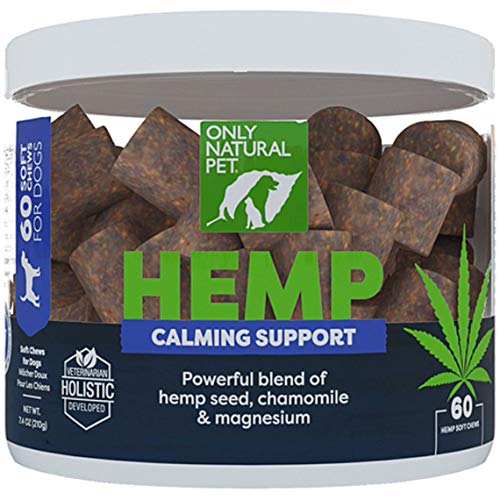
Look for calming chews that combine L-Theanine with calming herbs like chamomile, as this dual-action approach can help relax muscles while supporting a calm mental state without sedation.
For cats, liquid supplements like HomeoPet offer a gentle, non-invasive option that is easier to administer than pills, which is crucial for feline stress relief during travel or vet visits.
Physical barriers, such as the elastic calming hoodie, provide a "hug-like" pressure effect that can significantly reduce reactivity to thunder and fireworks by blocking visual and auditory triggers.
Choose products with vet-recommended, naturally sourced ingredients to ensure safety for long-term use, especially for senior pets or those with sensitive digestive systems.
Always introduce calming aids gradually before the stressful event occurs, allowing your pet to associate the treat or garment with positive experiences rather than fear.
Our Top Picks
Affiliate disclosure: if you buy through these links, we may earn a commission at no extra cost to you.
Look for Third-Party Testing and Transparent Labeling
When navigating the supplement aisle, treat the ingredient label like a nutrition label for your own food. Since the FDA does not strictly regulate pet supplements, look for products that carry a NASC (National Animal Supplement Council) seal or similar third-party verification. This ensures the product contains what the label claims and is free from harmful contaminants—a critical safety step for pets with sensitive systems.
Prioritize Bioavailable Forms of Calming Ingredients
Not all supplements are created equal; your pet’s body needs to actually absorb the ingredients to feel the effect. For example, magnesium glycinate is often better tolerated and absorbed than cheaper forms like magnesium oxide. When evaluating options, check if the brand uses chelated minerals or specific probiotic strains with documented efficacy, rather than relying on generic "support" claims without scientific backing.
Match the Formulation to Your Pet’s Specific Triggers
A one-size-fits-all approach rarely works for anxiety, which can stem from noise phobias, separation, or travel. If your dog struggles with fireworks, look for fast-acting options like liquid chews, whereas a cat with chronic household stress might benefit more from daily maintenance supplements containing L-theanine. Understanding the root cause helps you choose between a "rescue" remedy for acute events and a daily protocol for long-term balance.
Consider Palatability to Avoid Supplement Battles
The most effective supplement is useless if your pet refuses to take it, especially during an already stressful event. Look for treats or soft chews with strong aromas like chicken or fish, which are generally more appealing than large, chalky tablets. A smooth morning routine is vital; if you have to hide a pill in cheese, the added stress might counteract the calming effects of the supplement itself.
Check for Age-Appropriate Formulations
Senior pets often experience increased anxiety due to cognitive decline or joint pain, requiring different support than a young, energetic puppy. Ensure the product is safe for your pet’s life stage, as some potent calming herbs might be too strong for a small puppy or a senior with kidney issues. Always verify the dosage guidelines match your pet’s weight range to avoid under-dosing, which can lead to disappointment in the product’s effectiveness.
Frequently Asked Questions
How long before a stressful event should I give my pet anxiety supplements?
Most fast-acting calming chews or liquids need about 30 to 60 minutes to take full effect, so plan your administration accordingly. Daily maintenance supplements, however, may take two to four weeks of consistent use to build up in your pet’s system. Always check the specific product label, as ingredients like melatonin may work faster than adaptogenic herbs like ashwagandha.
Can I give my dog human CBD oil?
It is generally safer to use products specifically formulated for pets, as human CBD oils may contain THC or essential oils like tea tree that are toxic to dogs and cats. Pet-specific products are dosed by weight and tested to ensure they are THC-free, providing a safer margin of error. If you choose to use human-grade CBD, consult your veterinarian first to calculate a safe, weight-appropriate dose.
Are natural calming supplements safe to use alongside prescription medication?
Always consult your veterinarian before combining natural supplements with prescription anti-anxiety medications like trazodone or gabapentin. Some natural ingredients can interact with liver enzymes, potentially altering how your pet processes their prescription drugs. Your vet can help you create a safe tapering schedule if you wish to transition from medication to natural support.
Do calming treats actually work for separation anxiety?
While supplements can help lower the baseline stress level, they are rarely a standalone cure for severe separation anxiety. They work best as part of a broader behavior modification plan that includes desensitization training and puzzle toys. Think of them as a tool to make your pet more receptive to training, rather than a magic fix that allows you to leave without any preparation.
What is the difference between CBD and THC for pet anxiety?
CBD (cannabidiol) is non-psychoactive and is the primary compound used in pet supplements for its calming properties. THC (tetrahydrocannabinol) is the psychoactive component that is toxic to pets and can cause serious health issues, including lethargy and ataxia. Reputable pet products will always be THC-free, ensuring your pet feels relaxed without any intoxicating effects.
How do I know if my pet’s anxiety is behavioral or medical?
If your pet’s anxiety seems sudden or is accompanied by other symptoms like changes in appetite or litter box habits, a veterinary exam is crucial to rule out pain or illness. Behavioral anxiety often manifests during specific triggers like thunderstorms or when you leave, while medical issues might cause constant restlessness. A check-up ensures you aren’t masking a underlying health problem with supplements.
Can I give calming supplements to kittens or puppies?
Many calming supplements are safe for young pets, but it is essential to check the age restrictions on the label, as some ingredients are not recommended for pets under 12 weeks. Pheromone diffusers and calming music are often safer first-line options for very young animals. Always start with the lowest recommended dose to see how your young pet tolerates the new addition to their routine.
Conclusion
Navigating holiday stress with your furry friend doesn’t have to be a guessing game; choosing the right natural support can make a world of difference in their comfort and your peace of mind. We recommend starting with a high-quality, third-party tested supplement tailored to your pet’s specific triggers, while always keeping your veterinarian in the loop. By combining these natural tools with patience and routine, you can help your pet feel safe and secure throughout the festive season.
Last updated:
About the Author: Dr. Renee Parker — Dr. Renee is a veterinary nutritionist with 14 years in animal health and pet wellness. She evaluates pet supplements and care products for ingredient quality, safety standards, and evidence-based effectiveness — so your pets get only the best.
🛒 Relevant Products for This Topic
Affiliate disclosure: if you buy through these links, we may earn a commission at no extra cost to you.